


Call Us Now
Phone #1: +86
18206258368Phone #1: +86 18941192030
Author: Site Editor Publish Time: 2025-09-10 Origin: Site

Ever wondered what makes Tencel fabric stand out in the world of textiles? Known for its eco-friendly qualities, Tencel is rapidly gaining popularity in the fashion industry. In this post, we'll explore what Tencel is, its growing importance in sustainable fashion, and why it's becoming a preferred choice for many.
Tencel is a brand name for a type of fabric made from sustainably sourced wood pulp, often derived from eucalyptus trees. It’s known for its soft texture, durability, and breathability, making it a popular choice for various textiles. As a high-quality alternative to cotton and other fabrics, Tencel has become widely used in products like luxury bedding and comfortable activewear.
The term "Tencel" is specifically associated with lyocell, a form of rayon. Unlike traditional rayon, lyocell uses a more eco-friendly production process, which is one of the reasons Tencel is often seen as a greener alternative.
The production of Tencel starts with wood pulp, typically from eucalyptus trees, which are grown in sustainably managed forests. This pulp is then processed into fibers through a closed-loop system. Here’s how it works:
Wood pulp is dissolved using a non-toxic solvent to create a viscous solution.
The solution is extruded through small holes to form fibers.
These fibers are washed, dried, and spun into yarn.
The closed-loop system ensures 99% of the solvent used is recovered and reused, reducing waste and environmental impact.
This method not only ensures high-quality, soft fabric but also keeps the production process more sustainable by using fewer chemicals than other textiles.
Tencel stands out in the textile world for its environmental benefits. When compared to cotton, Tencel requires much less water and fewer pesticides in production. Cotton farming is known for consuming large amounts of water, while Tencel’s wood sourcing is far more water-efficient.
Tencel’s production process is also much more eco-friendly than traditional rayon, which uses harsher chemicals. Tencel uses non-toxic solvents, and the process recycles the solvents, making it much safer for both the environment and workers.
Compared to silk, Tencel is vegan-friendly and more durable. While silk is made from silkworms, Tencel’s plant-based origin makes it a more sustainable choice. It’s also hypoallergenic, unlike silk, which can cause irritation in some people.
In our growing shift toward sustainable fashion, Tencel fabrics like these are quickly becoming essential in eco-conscious products, from sleepwear to home textiles. It's not just about soft, breathable fabric – it's about making better choices for the planet.
Tencel Lyocell is the most common and well-known form of Tencel. It's produced by dissolving wood pulp, often from eucalyptus trees, in a non-toxic solvent. This process results in a soft, breathable, and durable fabric. Lyocell is particularly valued for its high moisture-wicking properties, making it a great choice for products like luxury sheets, pajamas, and bedding. These fabrics stay cool and comfortable, making them perfect for those who sleep hot or need extra breathability.
The fabric’s smooth texture also makes it ideal for sensitive skin, reducing irritation compared to other fabrics. It’s often used in high-end sleepwear and comfort-focused home textiles.
Tencel Modal is another variation of Tencel, often produced from beech wood instead of eucalyptus. It has a slightly different manufacturing process that gives it greater wet strength, making it perfect for products exposed to moisture. This feature makes Tencel Modal more durable in wet conditions, ideal for activewear, casual clothing, and even towels.
Tencel Modal has a slightly softer feel compared to Lyocell, with enhanced flexibility, and is often blended into garments where moisture control and comfort are important. It’s a popular fabric for sportswear and loungewear because of its softness and ability to absorb moisture during physical activities.
Tencel is also often blended with other fabrics like cotton or polyester to create textiles that offer a balance of properties. These blends provide more affordability and versatility, while still retaining the signature softness and breathability of Tencel. Blending it with cotton creates comfortable shirts and casual wear, while adding polyester enhances strength and durability, making it ideal for home textiles like bed sheets and curtains.
Blended fabrics are great because they lower costs while maintaining the benefits of Tencel, including moisture control, breathability, and softness. These Tencel-blended products are widely used for everyday wear, making Tencel accessible in a variety of price ranges while still promoting sustainable fashion choices.
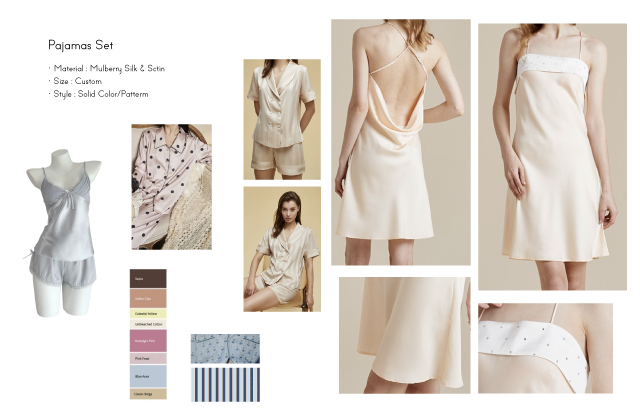
Tencel fabric is known for its exceptional softness. It has a smooth texture that feels luxurious, almost like silk, but it’s completely vegan-friendly. Whether it's used for luxury bedding or comfortable sleepwear, Tencel provides a soft, cool feel against the skin. This makes it one of the most comfortable textiles, especially for those who value a silky touch without the use of animal products.
One of the standout benefits of Tencel is its durability. Unlike cotton, which can shrink or lose its shape over time, Tencel maintains its integrity even after multiple washes. Tencel is resistant to pilling, which means it won’t develop those annoying little balls of fabric. It also has high wet strength, making it perfect for use in products that need to maintain their structure, like activewear or bedding.
If you’re a hot sleeper or an athlete, Tencel is an excellent choice. The fabric is highly breathable, allowing air to circulate freely, keeping you cool and dry. Tencel’s moisture-wicking properties help draw sweat away from the body, ensuring you stay comfortable throughout the night or during a workout. Whether used in sleepwear or sportswear, it’s ideal for warm climates or people who need that extra moisture control.
Tencel is a fantastic option for people with sensitive skin or allergies. Unlike other fabrics, it’s naturally antibacterial and antimicrobial, meaning it reduces the risk of irritation and bacteria buildup. This makes it especially beneficial for bedding, pillowcases, and other textiles in direct contact with the skin. Tencel helps create a healthier environment for your skin, making it a perfect choice for those prone to skin sensitivities.
Tencel’s environmental benefits set it apart from many other fabrics. It’s made from sustainably sourced wood pulp, and the production process uses significantly less water and fewer chemicals compared to cotton. Tencel is also biodegradable, which means it won’t sit in landfills for years like synthetic fabrics. The closed-loop system used in Tencel’s production recycles 99% of the solvents, minimizing waste and reducing environmental impact. By choosing Tencel for products like bed sheets, sleepwear, and clothing, you’re contributing to a more sustainable, circular fashion industry.
Tencel fabric is increasingly popular in clothing due to its softness and comfort. You’ll find it in shirts, dresses, and activewear, offering a stylish yet practical option for everyday wear. Its ability to keep you cool by moisture-wicking makes it perfect for summer outfits or even lounge wear. Tencel’s natural breathability ensures you stay fresh throughout the day, whether you're at work, running errands, or relaxing at home.
Because Tencel’s texture is similar to silk but more durable, it provides a luxurious feel without the high maintenance. Many clothing brands now use Tencel for its soft drape and chic appearance, making it a go-to choice for modern, eco-conscious fashion.
Tencel has taken over the world of luxury bedding and home textiles. You’ll see it in bed sheets, pillowcases, sleepwear, and comforters. Its breathable nature helps regulate body temperature, keeping you cool in summer and warm in winter. The moisture-wicking properties of Tencel ensure that sweat is absorbed, so you can sleep comfortably without feeling sticky or overheated.
Tencel fabrics used in sleepwear also provide a soft, smooth feel against the skin, making it ideal for those who have sensitive skin. With Tencel, you get luxurious comfort and sustainable quality, all in one package.
Tencel is an excellent fabric for sportswear and activewear. Its ability to wick moisture and breathe makes it ideal for high-intensity workouts or casual outdoor activities. Whether it’s a workout shirt or yoga pants, Tencel keeps you comfortable and dry. The fabric's temperature-regulating properties allow it to adapt to your body’s needs, providing a perfect balance of warmth and cooling depending on the activity.
Tencel’s smooth texture and moisture management are key reasons why many activewear brands now use it. It’s not just about comfort—it also helps reduce chafing and keeps you feeling fresh even after a long day of movement.
From luxury home textiles to eco-friendly clothing and activewear, Tencel’s presence in the fashion industry is only growing. It’s versatile, stylish, and sustainable, making it a fabric that ticks all the boxes for modern consumers.
Caring for Tencel is simple if you follow a few key steps. When washing Tencel, always use cold water and set your washing machine to a gentle cycle. Avoid using hot water as it can damage the fibers and cause the fabric to shrink. It's best to wash your Tencel items separately or with similar fabrics to prevent any damage.
Machine drying is not recommended. The high heat can cause Tencel to lose its shape or shrink. Instead, air dry your Tencel items by laying them flat or hanging them up. If you must use a dryer, opt for the lowest heat setting, but air drying is always the safest option.
To keep Tencel fabrics in great condition, proper storage is essential. When not in use, store Tencel items in a cool, dry place away from direct sunlight. This helps maintain the fabric’s texture and prevents fading.
For wrinkle prevention, you can lightly steam your Tencel items or use a low-temperature iron. High heat from an iron can damage the delicate fibers, so always set it to a low or delicate setting.
Another tip is to use gentle detergents when washing Tencel fabrics. Harsh chemicals can break down the fibers over time, so opt for a mild, eco-friendly detergent to keep your clothes and bedding feeling soft.
By following these care tips, your Tencel products will last longer, staying soft, smooth, and comfortable.
Tencel’s closed-loop manufacturing process is one of the most eco-friendly aspects of its production. Here’s how it works:
Wood pulp is dissolved into a solvent.
The solvent is recycled up to 99% to be used again.
The remaining chemicals are safely disposed of or reused in the system.
This minimizes chemical waste and reduces harmful environmental impacts, ensuring a cleaner process compared to traditional fabric production methods.
When it comes to sustainability, Tencel stands out, especially in comparison to cotton. Let’s break down the differences:
| Factor | Tencel | Cotton |
|---|---|---|
| Water Usage | Low water consumption, more efficient | High water consumption, depletes water resources |
| Pesticide Use | Minimal, sustainably sourced | Requires pesticides and fertilizers |
| Soil Health | Helps maintain forest health | Can lead to soil degradation |
Tencel’s sustainable sourcing from eucalyptus, beech, and spruce trees means it requires less land, water, and fewer chemicals, making it a better option for the planet than cotton.
Tencel is biodegradable, meaning it naturally breaks down in the environment without polluting it. This makes it a far more sustainable choice compared to synthetic fabrics that take centuries to decompose.
Tencel also fits perfectly into the circular fashion model, which promotes recycling and upcycling. Products made from Tencel can be recycled into new fibers, significantly reducing waste in the textile industry. Here's a quick breakdown of how the process works:
Recycled Tencel is made by breaking down used Tencel fabrics.
The fibers are reprocessed to create new, high-quality fabric.
This cycle repeats, keeping Tencel out of landfills and reducing the need for new raw materials.
By supporting circular fashion, Tencel is part of the growing movement toward sustainable fashion that helps minimize waste and preserve resources.
A: Tencel fabric tends to be priced higher than traditional fabrics like cotton but is generally more affordable than high-end materials like silk. The higher cost of Tencel can be attributed to its eco-friendly production process and sustainable sourcing. However, its durability and longevity provide value, as Tencel fabrics last longer than cotton and often resist pilling and shrinkage. Additionally, Tencel's breathability and moisture-wicking properties make it a worthwhile investment for comfort, especially in bedding and activewear.
A: Tencel is not toxic. It is made using a closed-loop manufacturing process, which recycles 99% of the solvents used, reducing harmful chemical waste. Tencel fabric is OEKO-TEX certified, ensuring it is free from harmful substances. This makes Tencel a safe choice for those concerned about chemical residues in fabrics, particularly for those with sensitive skin.
A: Tencel, rayon, and bamboo are all made from wood pulp, but they differ in their production processes and environmental impact. Tencel (lyocell) is produced in a more eco-friendly, closed-loop system compared to rayon, which uses harsher chemicals. Tencel is also more sustainable than bamboo fabric, as bamboo production can involve more chemical processing. In terms of comfort, Tencel is as soft as silk, moisture-wicking, and breathable, while rayon and bamboo also have similar properties but often lack Tencel's long-lasting durability.
A: Yes, Tencel is an excellent fabric for hot weather. It is highly breathable and has moisture-wicking properties, making it ideal for warm climates and hot sleepers. Tencel helps regulate body temperature by drawing moisture away from the skin and allowing air to flow through the fabric, keeping you cool and dry. This makes it a great alternative to cotton, which can sometimes retain moisture and feel damp in hot weather.
A: While both Tencel and cotton are natural fibers, Tencel has the edge in terms of eco-friendliness and durability. Tencel’s production process uses significantly less water than cotton and doesn’t require pesticides, making it a better choice for those seeking sustainable options. Additionally, Tencel is more durable than cotton, resists pilling, and retains its shape better over time.
A: Tencel is a semi-synthetic fabric. It is made from natural wood pulp (usually from eucalyptus trees), but the process of turning it into fabric involves chemical treatment. However, the chemicals used in Tencel production are non-toxic and recycled in a closed-loop system, making it a more eco-friendly option compared to other synthetic fabrics.
A: Yes, Tencel is perfect for hot weather. It is naturally breathable and moisture-wicking, which helps regulate body temperature and keep you cool. The fabric draws moisture away from the skin, making it a popular choice for sleepwear and summer clothing.
A: Tencel is a more sustainable and durable alternative to cotton. While cotton requires large amounts of water and pesticides, Tencel is made from sustainably sourced wood pulp, using significantly less water and fewer chemicals. Tencel also has better moisture-wicking and breathability properties, making it more suitable for those who experience hot flashes or need temperature regulation.
A: Tencel is similar to silk in terms of its softness, smooth texture, and luxurious feel. However, unlike silk, Tencel is vegan-friendly and made from wood pulp. It is also comparable to bamboo fabric and rayon in its origin from plant fibers, but Tencel is considered more sustainable and durable due to its eco-friendly production process.
A: Tencel fabric is made from wood pulp, most commonly derived from eucalyptus trees. The wood pulp is processed into fibers through a non-toxic, closed-loop manufacturing system, making Tencel an eco-friendly alternative to other fabrics.
A: Tencel is not toxic. It is made with a closed-loop production process that minimizes waste and uses non-toxic solvents, ensuring it is safe for both the environment and your skin. Additionally, Tencel fabric is certified by OEKO-TEX, meaning it is free from harmful chemicals.
Tencel fabric offers the perfect combination of eco-friendliness, comfort, and durability. Its sustainable production process makes it a top choice for environmentally conscious consumers. Whether you're looking for clothing, bedding, or home textiles, Tencel is a great option for green fashion.
