


Call Us Now
Phone #1: +86
18206258368Phone #1: +86 18941192030
Author: Site Editor Publish Time: 2026-09-14 Origin: Site
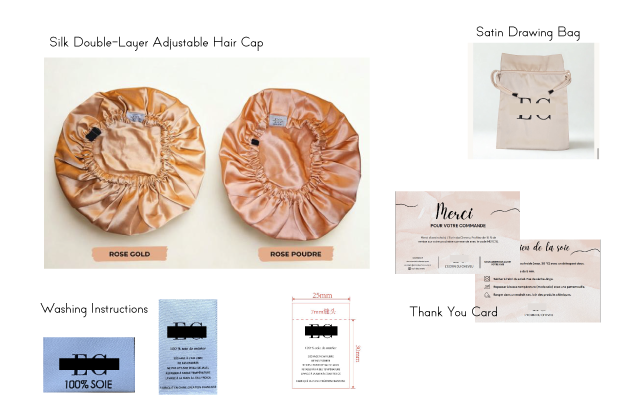
Not all satin is created equal. A poorly manufactured hair bonnet can cause the exact friction and moisture loss it is supposed to prevent. Sleepwear accessories directly impact hair health, making rigorous testing absolutely essential. Brands, retailers, and discerning buyers evaluating a supplier often face a barrage of vague marketing claims. Relying on buzzwords like "premium" or "silky" is a massive liability in today's competitive market.
Objective quality control is required to stand out and protect your customers. This guide breaks down the specific laboratory and practical tests necessary to validate a bonnet's efficacy, durability, and safety. You will learn exactly what to look for before making a purchasing or partnership decision. We explore structural integrity, strict textile standards, and non-negotiable safety compliances. This knowledge empowers you to confidently navigate supplier negotiations and deliver superior, reliable products.
Friction coefficient and weave density are the primary metrics for validating hair protection.
Elastic retention and seam strength testing prevent premature product failure and customer churn.
Colorfastness to sweat and washing is non-negotiable for safety and protecting bedding.
Defining strict satin bonnet specifications upfront is the only way to successfully vet a manufacturing partner.
Structural failures plague un-tested sleepwear products. When manufacturers skip vital quality control steps, the end consumer pays the price. Elastic bands snap after just a few weeks of use. Abrasive surface finishes create micro-tears in delicate hair cuticles. Cheap, unverified dyes bleed onto expensive pillowcases during the night. These issues instantly ruin a brand's reputation and drive away repeat customers.
Curly and textured hair suffers the most from these structural flaws. Individuals relying on a hair bonnet need maximum moisture retention. Low-grade materials act like sponges instead of shields. They strip away vital natural oils and leave curls dry. Rougher textile weaves physically agitate the hair shaft. This constant friction leads directly to excessive breakage, frizz, and split ends over time.
You must shift your entire evaluation strategy to avoid these outcomes. Stop judging potential products solely by the lowest cost per unit. A rock-bottom price usually indicates skipped laboratory checks and inferior raw materials. Move your decision criteria toward proven mechanical and textile stability. Require hard data to prove the fabric performs exactly as promised.
Surface friction testing determines the true value of your product. The core function of any satin sleep cap is slip. If the fabric drags against the hair, it fails its primary purpose. Laboratories test this by measuring the kinetic friction coefficient. They run the fabric against keratin or dedicated hair analogs. A lower friction coefficient indicates a smoother surface. This data provides concrete proof of hair protection.
Weave density directly impacts both slip and longevity. You must establish strict satin bonnet specifications before finalizing any purchase order. The fabric's Grams per Square Meter (GSM) dictates its structural integrity. Higher GSM typically means a tighter weave and better durability. You also need to compare single-layer constructions against double-lined designs. Double-lined products hide internal seams and provide double the structural support.
Common GSM Ranges for Satin Sleep Caps
Construction Type | Typical GSM Range | Primary Benefit |
|---|---|---|
Single-Layer (Lightweight) | 50 - 65 GSM | Maximum breathability, ideal for summer months. |
Single-Layer (Standard) | 65 - 80 GSM | Balanced drape and durability for everyday use. |
Double-Lined (Premium) | 80+ GSM (Combined) | Hidden seams, superior structure, and enhanced hair protection. |
Breathability represents another critical testing phase. You must evaluate air permeability to ensure user comfort. Laboratories test moisture vapor transmission rates (MVTR). This ensures the scalp does not overheat during a full night of sleep. Overheating causes the scalp to sweat. Sweat introduces unwanted moisture, causing the hair shaft to swell. This swelling ruins expensive silk presses and disrupts natural curl patterns. Proper breathability prevents this chain reaction.
You need a reliable control sample to benchmark manufacturer claims. Establishing a baseline is crucial for objective evaluation. We recommend using a proven prototype, such as a case 1 bonnet, to set your standard. You compare new manufacturing samples directly against this control unit. This process highlights exactly how new materials handle actual physical stress compared to a known, high-quality benchmark.
Tensile strength testing predicts the lifespan of your product. The elastic band or tie strings undergo rigorous cycle-testing. Laboratories typically subject the band to 500 stretch cycles using specialized tension machines. They then measure the percentage of recovery loss. High recovery loss means the band stretches out permanently. This testing mitigates a massive user risk. It prevents the cap from slipping off during sleep after just one month of daily use.
Seam slippage testing ensures the product stays in one piece. Sleep inherently involves tossing, turning, and pulling. Testers apply lateral force to the stitches connecting the edge band to the main dome. They follow standards like ISO 13936 to measure thread displacement. The fabric must hold tight. The edge band must never separate from the main satin dome under normal sleeping conditions.
Chemical stability guarantees safety and protects surrounding fabrics. Colorfastness to water and perspiration requires strict ISO testing. You must guarantee the dye will not bleed overnight. Human sweat contains acids and salts that break down cheap textile dyes. Verified colorfastness ensures the color stays locked in the fabric. It protects expensive bedding, pillowcases, and the user's skin from unwanted staining.
Friction also threatens dye stability. Colorfastness to rubbing, known as crocking, is a mandatory test. Laboratories use a crockmeter to perform both dry and wet rub tests. They rub a standardized white cloth against the dyed satin. They then grade the color transfer on a scale from 1 to 5. A high grade proves the dye remains stable even under heavy friction.
You must rely on recognized compliance frameworks to verify these safety claims. Always look for OEKO-TEX Standard 100 certification. This framework enforces several vital safety checks:
AZO Dye Elimination: Verifies the complete absence of harmful, carcinogenic AZO colorants.
Heavy Metal Testing: Ensures no toxic metals like lead or cadmium exist in the dyes.
pH Value Regulation: Checks the fabric's pH to ensure it matches the natural, slightly acidic pH of human skin.
Formaldehyde Limits: Confirms formaldehyde levels remain well below dangerous thresholds.
Supplier shortlisting requires sharp analytical logic. You must differentiate between a simple white-label reseller and a truly capable textile manufacturer. A reputable satin bonnet supplier understands textile science. They can discuss friction coefficients and seam slippage. Resellers usually only discuss minimum order quantities and bulk pricing. Ask highly technical questions early in your vetting process to weed out intermediaries.
Your Request for Proposal (RFP) process sets the tone for the partnership. Do not just ask for price lists. Ask for proof of quality. Your initial inquiry should demand specific documents. Ask them: "Can you provide independent lab testing reports for colorfastness and elastic lifecycle?" Manufacturers who readily produce these documents operate with transparency. Those who hesitate or refuse are hiding inferior production methods.
Watch out for glaring red flags during these early conversations. Eliminate suppliers who fail these basic checks:
Suppliers unable to define their exact weave composition, such as the precise polyester-to-spandex ratio.
Factories that refuse to submit a pre-production sample for your own independent wash testing.
Representatives who dodge questions about their internal quality assurance protocols.
Companies unable to provide valid, up-to-date OEKO-TEX certificates.
Take immediate next-step actions once you identify a strong candidate. Request a comprehensive technical specification sheet. This sheet should list GSM, weave type, elastic composition, and dye standards. Initiate a strict sample-testing phase. Run the samples through your own wash tests, tension tests, and wear tests before committing to a bulk order.
Verifiable specifications and objective testing protect your brand reputation. They also protect consumer hair health, which secures long-term loyalty. Skipping structural tests leads to product failures, returns, and negative reviews. Embracing friction analysis, seam slippage data, and chemical safety checks ensures you deliver a superior product.
We strongly advise buyers to prioritize suppliers who willingly provide QA documentation. Never choose a manufacturing partner based purely on the lowest unit price. Request technical data sheets, demand independent lab reports, and perform your own sample benchmarking. These actionable steps guarantee your final product meets the highest industry standards.
A: Standard ranges fall between 50 and 80 GSM. Double-lined bonnets often require slightly higher or combined GSM for better structure. Higher GSM improves drape and weight, ensuring the bonnet stays secure without feeling uncomfortably heavy during sleep.
A: Objectively, synthetic satin (usually polyester) reduces friction effectively if the weave is tight. It protects hair cuticles well. However, synthetic fibers lack the natural temperature regulation and extreme breathability of pure silk.
A: Perform a simple tension test. Stretch the elastic band to 1.5 times its original length. Release it immediately. Measure the recovery speed and check for any shape distortion. A high-quality band snaps back instantly without wrinkling.
A: Always look for OEKO-TEX Standard 100 certification. This ensures the fabric is free from harmful chemicals, heavy metals, and toxic AZO dyes. Additionally, request ISO textile standard reports for colorfastness and seam strength to verify physical durability.
