


Call Us Now
Phone #1: +86
18206258368Phone #1: +86 18941192030
Author: Site Editor Publish Time: 2026-09-22 Origin: Site

Off-the-shelf gift products offer undeniable convenience for busy buyers. However, they frequently carry a "generic" stigma. This lack of personal touch often leads to low utilization and poor recipient perception. Buyers face a frustrating struggle. Corporate planners and high-intent individuals both want the same thing. They want to balance the higher perceived value of personalization against the realities of custom builds. These realities include increased lead times, higher upfront costs, and strict minimum order requirements. Deciding whether to buy pre-made or go custom feels complicated. Our objective is to provide a clear, evidence-based framework. We want to help you decide when a custom spa gift set yields a significantly higher return on investment. You will learn exactly how to navigate these choices confidently. We will also show you how to execute the entire procurement process flawlessly from start to finish.
Making the right choice requires examining three specific business elements. First, look at volume and budget realities. Pre-made kits work well for small runs. They carry standard retail markups but require zero setup fees. Customizing bulk orders eventually becomes more cost-effective. You hit a break-even point when ordering higher volumes. Industry standards suggest this break-even usually occurs around 100 to 250 units. At this point, building your own kit beats buying premium retail sets. You stop paying for external brand marketing and start paying for actual product quality.
Next, contrast time-to-delivery expectations. Pre-made options offer immediate availability. You can buy them today and ship them tomorrow. Custom sourcing requires extensive patience and planning. Typical lead times span three to eight weeks. Suppliers need this time for compounding formulas, testing stability, and printing packaging. You cannot rush a customized assembly without risking terrible errors. Plan your procurement calendar carefully around these strict timelines.
Finally, evaluate impact versus effort. Building a custom package demands a heavy administrative load. You must weigh this against the potential return. Personalization drives much higher employee retention. It builds significantly stronger client relationships. It also creates deeply memorable personal gifts. Generic gifts end up forgotten in desk drawers. Custom packages stay proudly displayed on bathroom counters. For high-stakes recipients, the extra administrative effort pays off immediately.
Sometimes, buying retail products simply fails to meet the moment. Certain situations demand a completely tailored approach to gifting.
When your goal involves specific health results, generic products fail. You might want to promote deep sleep and physical stress relief. In this scenario, customizing the exact blend becomes absolutely necessary. You need total control over bath salts, sleep masks, and essential oils. Active ingredients ensure true efficacy for the user. A tailored approach like a case 1 sleeping set delivers exact results. You can include magnesium flakes for muscle relaxation. You can add pure chamomile to lower anxiety levels. This intentional design actively improves rest for the user.
Companies must align gifts carefully to their core values. You need matching scents, packaging materials, and product quality. Generic items might contradict your entire company message. Imagine an eco-conscious brand sending heavy plastic-wrapped lotions. This creates immediate cognitive dissonance for the recipient. Instead, you can choose 100% sustainable materials. You can match the packaging colors perfectly to your corporate branding. Customization ensures your gift genuinely reflects your organizational identity.
Giving should never cause allergic reactions or physical discomfort. Standard collections often contain harsh synthetic fragrances. They frequently utilize cheap nut oils as filler carriers. You must design a set free of common allergens. This guarantees safety for a diverse and unpredictable recipient pool. You can specify hypoallergenic ingredients and natural fragrance alternatives. Universal usability protects both the giver's reputation and the receiver's health.
Standard wellness gifts lean heavily toward feminine packaging aesthetics. They often feature strong floral scents like heavy rose. This alienates segmented audiences like men's grooming fans. Customizing lets you pivot completely away from traditional designs. You can create highly functional, tailored packages for male recipients. Earthy scents like sandalwood appeal to this specific demographic. You can swap delicate loofahs for heavy-duty exfoliating brushes.
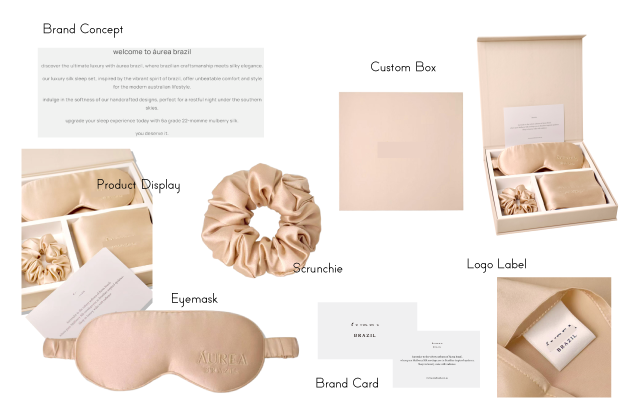
Clear instructions prevent costly manufacturing errors down the line. Documenting your exact spa gift set specifications is a mandatory step. You cannot leave crucial details to the manufacturer's imagination.
First, determine exactly what goes inside the box. You must select the perfect ratio of items. Balance consumable goods like soaps, lotions, and sugar scrubs. These items provide immediate gratification. Pair them carefully against durable goods. Think of thick robes, poured candles, or heavy gua sha tools. Durable goods provide lasting value long after the lotion runs out. This balance creates a highly perceived overall value.
Next, specify your formulation and ingredient rules. Modern recipients care deeply about what touches their skin. Require organic, vegan, or cruelty-free components in your brief. You might also prioritize locally sourced botanical ingredients. Avoid sulfates, parabens, and artificial dyes completely. This strict attention to detail meets incredibly high recipient expectations. It shows you prioritize their wellness over cheap manufacturing costs.
Packaging specs require intense scrutiny. Outline the structural integrity of your shipping box. Unboxing aesthetics matter deeply to modern users. Plan your custom inserts, tissue paper, and engraving details. Also, calculate dimensional weight early in the planning phase. Bulky dimensions complicate shipping logistics and drive up delivery costs. A beautiful box loses its charm if it arrives crushed.
Finally, set strict baseline expiration dates. Natural lotions and bath bombs remain highly perishable items. Carrier oils can go rancid after six to twelve months. You must prevent product spoilage before gifting actually occurs. State clear shelf-life requirements in your initial brief. Demand stable preservatives if you plan to hold inventory.
Table: Essential Specification Checklist
| Specification Category | Key Elements to Define | Primary Goal |
|---|---|---|
| Product Composition | Ratio of durable vs. consumable items | Balance immediate use with lasting value. |
| Formulation Standards | Organic, vegan, sulfate-free rules | Ensure skin safety and ethical compliance. |
| Packaging Design | Box thickness, custom inserts, void fill | Protect items and create premium unboxing. |
| Shelf Life | Minimum expiration date (e.g., 12 months) | Prevent rancid oils and inactive ingredients. |
Finding the right production partner determines your project's overall success. You must vet a potential spa gift set supplier thoroughly. A bad partner ruins your timeline and your budget.
Assess their minimum order quantities carefully. Ask if they accommodate initial pilot production runs. You need to test a small batch first. Avoid suppliers requiring massive volume commitments before large-scale rollouts. A flexible partner allows you to order fifty units initially. Once approved, you can easily scale up to five thousand.
Verify their safety standards immediately. Your partner must adhere strictly to established cosmetic regulations. Check for FDA compliance or your local regional equivalent. This rule applies to all topical products and concentrated essential oils. Ask to see their Good Manufacturing Practices (GMP) certifications. Never trust a supplier who refuses to share compliance paperwork.
Never skip the physical sampling process. The necessity of ordering a prototype remains absolute. You must test the scent throw and product texture personally. Experience the entire unboxing flow before committing to a contract. Does the lotion feel sticky? Does the bath bomb crumble in transit? You can only discover these flaws through physical testing.
Determine exactly how they handle shipping logistics. Can they manage individual recipient shipping directly from their warehouse? Remote teams and decentralized client lists require capable drop-shipping services. Some manufacturing partners only offer bulk pallet delivery to one address. Choose the fulfillment model matching your exact distribution needs.
Even well-planned projects face significant execution risks. Identifying these traps early saves money and prevents intense frustration.
The "scent clash" error ruins many custom projects. Combining multiple strong fragrances creates terrible unboxing experiences. When you seal highly scented items in one box, they mix. A lavender lotion and a peppermint scrub create an overwhelming clash. Keep dominant fragrances to a minimum. Use unscented complementary items to balance the overall olfactory experience. Isolate strong soaps in airtight wrappers to prevent scent migration.
Ignoring dimensional weight drains your budget rapidly. Shipping companies charge by box size, not just actual weight. Bulky packaging exponentially increases your per-unit shipping costs. This simple mistake quickly negates the unit-cost savings of bulk orders. Optimize your box size to fit carrier guidelines perfectly. Eliminate unnecessary empty space inside the mailer.
Prioritizing aesthetics over quality destroys your credibility. Visual appeal often masks terrible chemical formulations. You risk selecting gorgeous products containing cheap, drying ingredients. Ineffective, heavily colored lotions harm the gifter's reputation. Recipients notice when a beautiful product leaves their skin feeling stripped. Always prioritize skin-safe, deeply nourishing formulations over pretty plastic bottles.
Chart: Risk Mitigation Strategies
| Implementation Risk | Root Cause | Mitigation Strategy |
|---|---|---|
| Scent Clash | Sealing contrasting fragrances in one tight box. | Stick to one dominant scent profile. Individually wrap soaps. |
| High Shipping Costs | Excessive void fill and oversized display boxes. | Design snug packaging. Calculate DIM weight before production. |
| Poor Product Efficacy | Choosing cheap bases to afford prettier packaging. | Allocate 60% of the budget to ingredient quality, 40% to aesthetics. |
Customizing a personalized package acts as a strategic investment. It elevates the recipient's experience directly. It also protects and enhances your organizational brand reputation. Thoughtful personalization transitions a completely generic gesture into a highly intentional touchpoint. You show recipients they matter enough to warrant custom effort.
Now, take actionable next steps to start your project. Document your required specifications clearly in a written brief. Establish a firm timeline accounting for formulation and transit delays. Finally, request physical samples from at least three vetted suppliers. Comparing these physical prototypes starts your evaluation process on solid ground.
A: A fully custom build usually requires three to eight weeks. Suppliers need this extended time to source raw materials, blend custom formulations, design packaging, and assemble the final units. Planning well ahead ensures you avoid expensive rush fees.
A: Many manufacturers allow slight variations, such as different scent profiles. However, they usually require you to meet a minimum order quantity per specific variation. Always negotiate these mixing terms during your initial supplier conversations.
A: Request a complete ingredient list before production begins. Focus heavily on natural, hypoallergenic components. Avoid artificial dyes, parabens, and strong synthetic fragrances. Ask your supplier for cosmetic compliance certifications to guarantee dermatological safety.
A: Yes, most established production suppliers welcome client-provided packaging. You can supply your own custom boxes, engraved ribbons, or printed inserts. You must ensure your materials fit their assembly line requirements exactly.
